
Dark DNA: The Genetic Ghosts
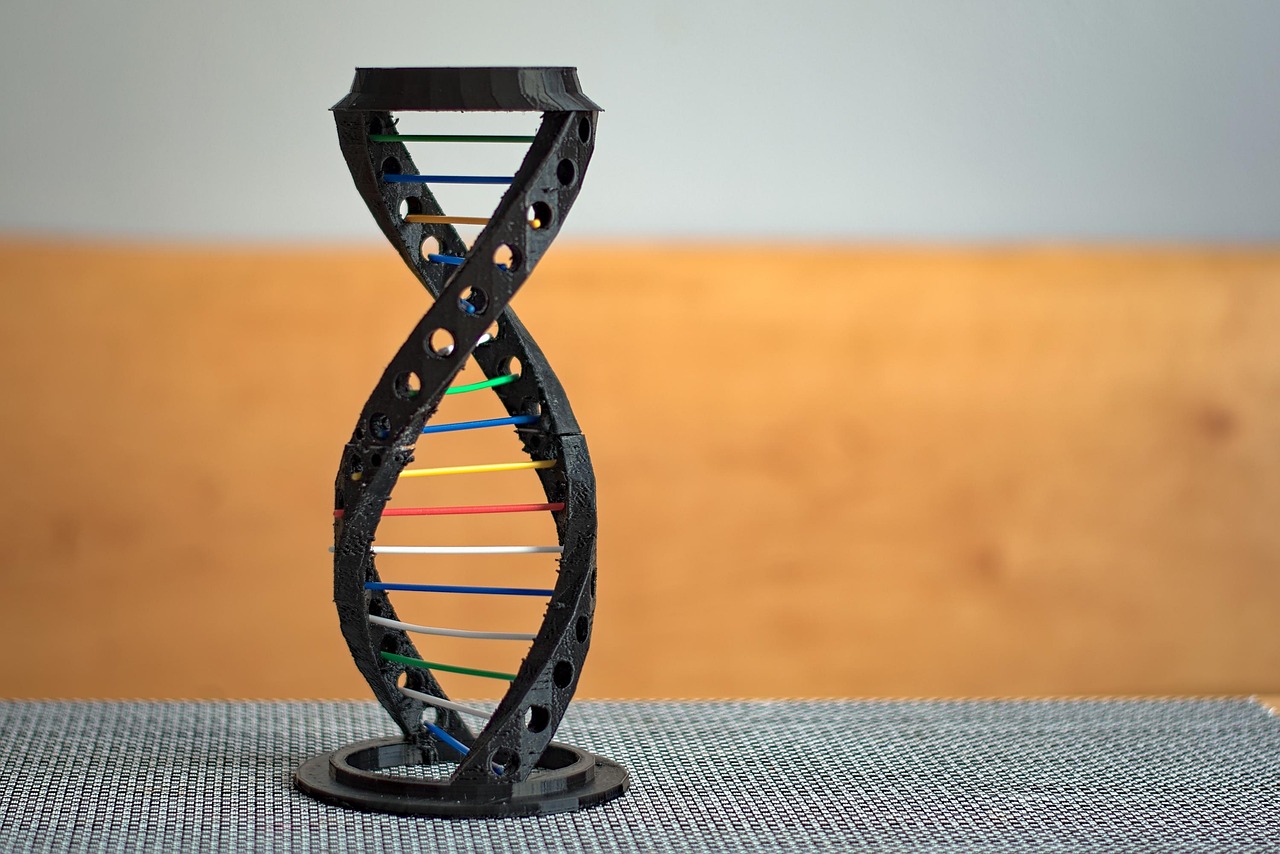
What if one day you get to know that some of life’s most important blueprints or programs are hiding right under our noses, but written in a language our technologies can't read?
It is like flipping through a book that promises the complete story of life—until you notice something strange: a mismatch. The most important chapters are blank, written in invisible ink, and impossible to read with the naked eye. That’s the puzzle of dark DNA.
Dark DNA is a paradox in plain sight. We see the effects of certain genes in an organism, but when scientists look for its genetic code, the sequence is missing from the genome map. It is an ongoing detective story which scientists love because the plot twists keep coming.
It is right there in front of us, yet unseen; none of the scientists could see it until recently.
A team of researchers at the University of Oxford, led by Professor Peter Holland and Dr. Adam Hargreaves of the Department of Zoology, uncovered an intriguing phenomenon. In a decade-long collaborative study involving scientists from London, Denmark, the USA, China, and Bangor, they disproved the long-held idea of gene loss.
The researchers discovered a giant mutation hotspot within the genome of a diabetes-prone rodent. They studied sand rats (Psammomys obesus), a species native to the deserts of North Africa and the Middle East that typically survives on low-carbohydrate plants.
These animals are prone to obesity and Type II diabetes if fed normal food. It was previously believed that they lacked a key switch gene called Pdx1, which regulates insulin levels in humans. Attempting to disprove this idea, the team encountered a strange anomaly.
The gene appeared to be missing—along with 87 surrounding genes. Some of these genes are essential for survival, raising an important question: where were they?
The first clue emerged when scientists detected the chemical products that these missing genes would normally produce. This was only possible if the genes were present, suggesting that they were not missing, but hidden.
The Pdx1 DNA had undergone extensive mutations converting adenine (A) and thymine (T) into guanine (G) and cytosine (C). GC-rich DNA is notoriously difficult for many sequencing technologies to detect, making these genes hard to read rather than absent.
This phenomenon was named “Dark DNA”, inspired by dark matter in space—unseen, yet profoundly influential. It challenged the long-standing notion of “junk DNA.”
Junk DNA refers to DNA sequences once believed to have no biological function. While typically non-coding, many of these sequences—such as non-coding RNAs—are now known to play essential roles. The discovery of dark DNA revealed that some supposedly useless genetic material hides critical biological instructions.
This revelation connects to one of biology’s most ambitious undertakings: the Human Genome Project. Launched in 1990, the project aimed to identify all human genes and sequence all human DNA base pairs.
Although it successfully identified approximately 22,300 protein-coding genes and mapped the human genome, nearly 98% of DNA was classified as junk, leaving many unanswered questions.
Advances in sequencing technology and discoveries like the sand rat study proved that much of this presumed junk DNA exists in the shadows as dark DNA—functional, yet previously undetectable.
Dark DNA reshaped genetic research once again when tens of thousands of dark genes were recently discovered in humans. These invisible genomes gained an eerie, ghost-like characterization.
A breakthrough came when a team led by Eric Deutsch at the Institute of Systems Biology identified Non-Canonical Open Reading Frames (ncORFs)—short DNA sequences capable of producing small proteins.
These sequences were overlooked due to their short length and lack of traditional gene markers. Surprisingly, the proteins they encode have been detected in cancer cells.
Deutsch’s team analyzed data from 95,520 experiments using mass spectrometry, uncovering immune-recognized protein fragments derived from these hidden genes. This confirmed the presence of formerly unknown genetic codes.
“Their proteins may have direct biomedical relevance, which is manifested in the growing interest in targeting such cryptic peptides with cancer immunotherapy, including cellular therapies and therapeutic vaccines.”
Out of 7,264 non-canonical gene sets identified, at least one-quarter produce proteins—adding over 3,000 new peptide-coding genes to the human genome.
Earlier techniques lacked the sensitivity to detect these genes. Their discovery opens new doors in biomedical research. Neuro-oncologist John Prensner of the University of Michigan remarked:
“We might have a whole new class of drug targets for patients.”
The tools developed during this research may enable the discovery of even more hidden genes in the future.
Despite these groundbreaking findings, biology continues to surprise us. More paradigm shifts await behind genomic blind spots. Understanding the human genome remains a work in progress—one that grows more complex with each technological advancement.
References
- University of Oxford, Department of Zoology. (2025). Mutation hotspot in the desert.
- Hargreaves, A. (2017). Introducing ‘dark DNA’. The Conversation.
- Wikipedia contributors. Junk DNA.
- Wikipedia contributors. Non-coding DNA.
- Hargreaves, A. (2017). Meet ‘Dark DNA’. ScienceAlert.
- Sanjana G. (2024). Tens of thousands of hidden ‘dark genes’ discovered in humans. Earth.com.
- Tessa K. (2024). ‘Dark Genes’ hiding unseen in human DNA. ScienceAlert.
- Sebastiaan van H., Chris M. (2024). Over 3,000 hidden genes uncovered. StudyFinds.
- Seeker. (2018). 'Dark DNA' is the latest mystery in genetics. YouTube.
- Dr. Sanjay K. P. (2020). Dark DNA: The latest enigma in genetics. Skyline University Nigeria.
 Written by: Safiya Farhan
Similar Post You May Like
-
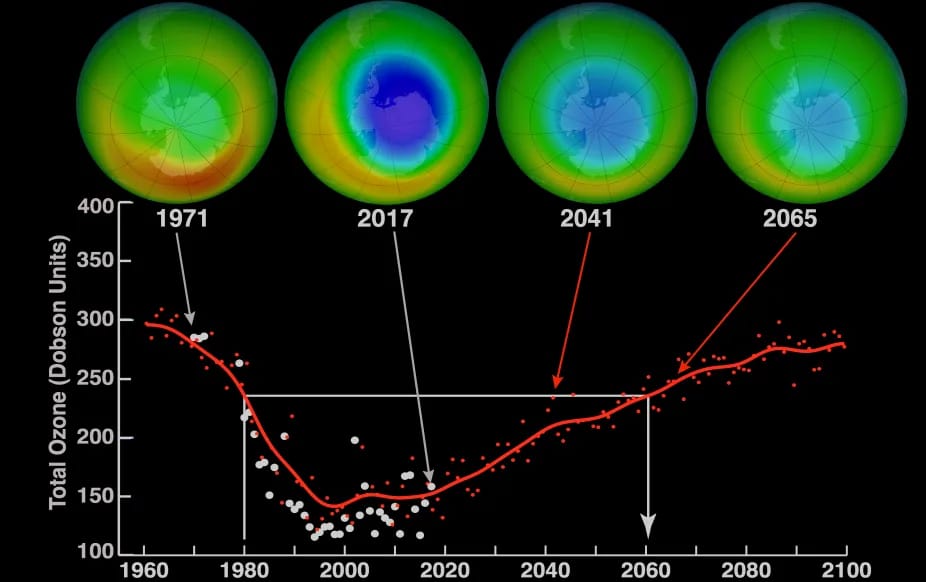
CFCs, HFCs and their long, troubled history
At its peak, the ozone hole covered an area 7 times larger than the size of Europe, around 29.9 million km2, and was rapidly expanding
-
The Origin of Universe: Deciding point where it all began!
Let us unravel and surf through the ideas throughout ages to understand what the universe and its origin itself was to its inhabitants across history.
-
The Artemis Program
Inspired by the Greek goddess of the Moon, twin sister to Apollo, the artimis program was named on 14 May 2019 by Jim Bridenstine.
Recent Post
-

Second Brain in Your Belly? Inside the Fascinating Gut-Brain Connection
Ever wondered why you feel butterflies in your stomach? That gut-wrenching feeling in the pit of your stomach might not be as insignificant as it seems.
-

The AI Arms Race: Boon or Bane for National Defense?
Artificial intelligence (AI) is rapidly transforming industries, and the defence sector is no exception.
-

Unveiling the Oldest Black Hole: A Cosmic Odyssey with the James Webb Space Telescope
In a groundbreaking revelation, astronomers using the James Webb Space Telescope (JWST) have uncovered the existence of the oldest black hole ever discovered
-

Hubble's Iconic Journey into the Depths of the Universe
arguably the greatest technological breakthrough of its time, now have over three decades of service.
-

The Metaverse: Exploring Its Concept, Potential, and Social Implications
The metaverse encompasses a vast and interconnected digital universe where users can interact, create, explore, and collaborate
-

The Man, the Myth, and the Mathematical Legacy
Pythagoras, the enigmatic figure whose name is forever intertwined with the famous theorem, emerges from the mists of ancient Greece as a polymath of profound influence.